Paint guide / 4 minute read

When paint correction makes sense

A practical look at swirls, haze, defect depth, and what polishing can realistically improve.

Use this on my request
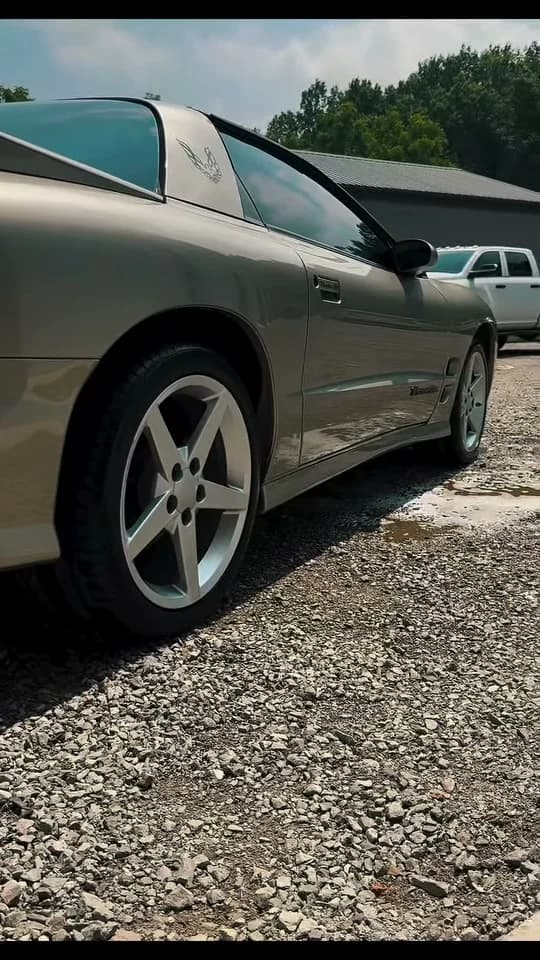
Reflective finish on a 2001 Trans Am WS6
Explore
01

Correction is controlled improvement

Machine polishing removes a small amount of the upper paint surface to improve defects and clarity. That is why the paint and its history matter more than a blanket promise.

  • Swirls and wash marks
  • Light oxidation or haze
  • Surface defects that are safe to improve
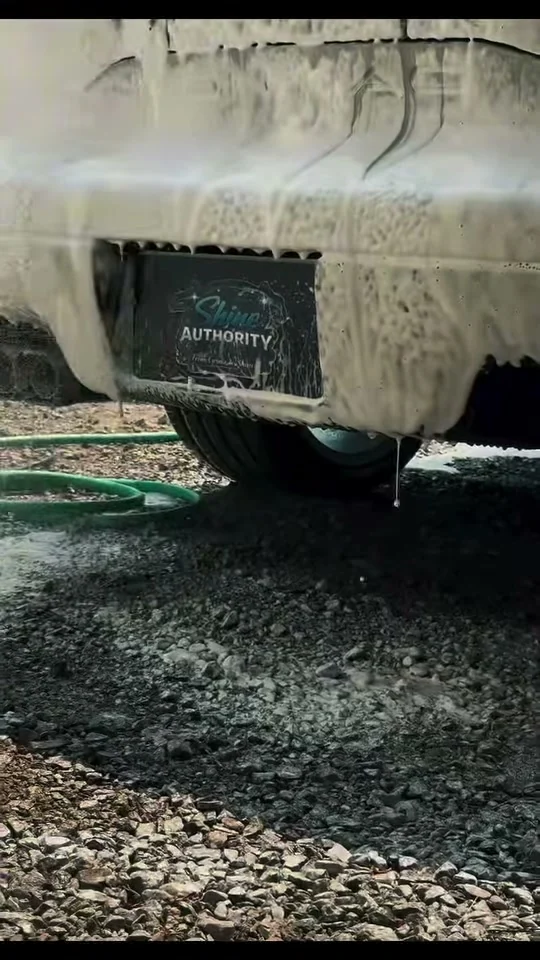
2001 Trans Am WS6 during wash preparation
Correction starts after the finish is properly cleaned and prepared.
02

Some defects should stay

A deep scratch may be safer left visible than chased too far. We would rather explain that boundary than promise a result that risks the finish.

  • Depth matters
  • Paint thickness is finite
  • A good result does not require pretending every mark vanished
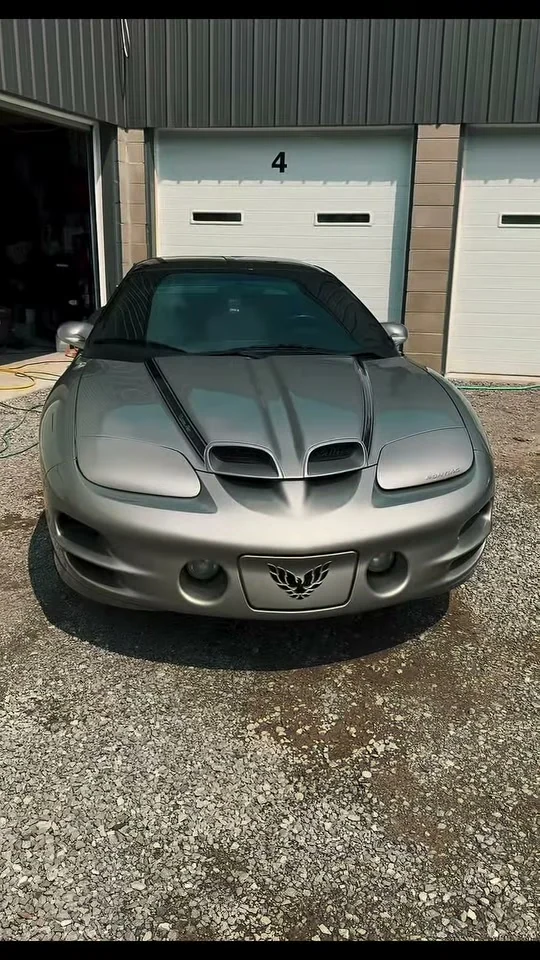
Front view of the finished 2001 Trans Am WS6
Different panels and curves catch defects and reflections differently.
03

Preparation comes first

The finish should be washed and decontaminated before correction. If protection is planned afterward, we build that into the preparation conversation.
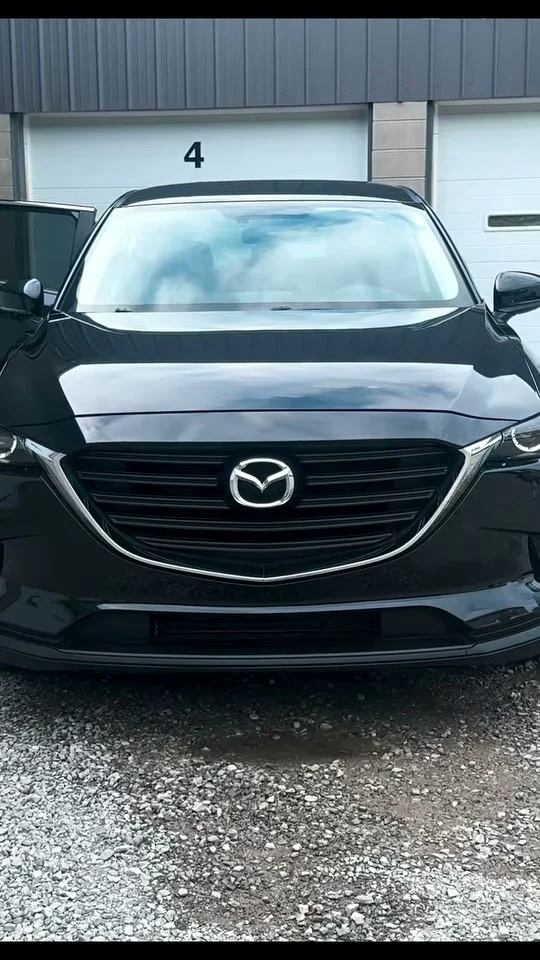

Finished black Mazda SUV in daylight
Good light helps us talk about clarity without promising that every mark can disappear.

Bring the guide to the vehicle

Show us what you are working with.

Start the next step

Condition-first requests

Show us the vehicle. We'll shape the right scope.

Quote Book